👨🏫 Outline
Formulas for this lecture can be found in my online formula sheet and paper formula sheet.
Overview
Section titled “Overview”- Introduction: Stocks vs. Bonds
- Long-run Returns vs. Short-run Volatility
- The Primary Market
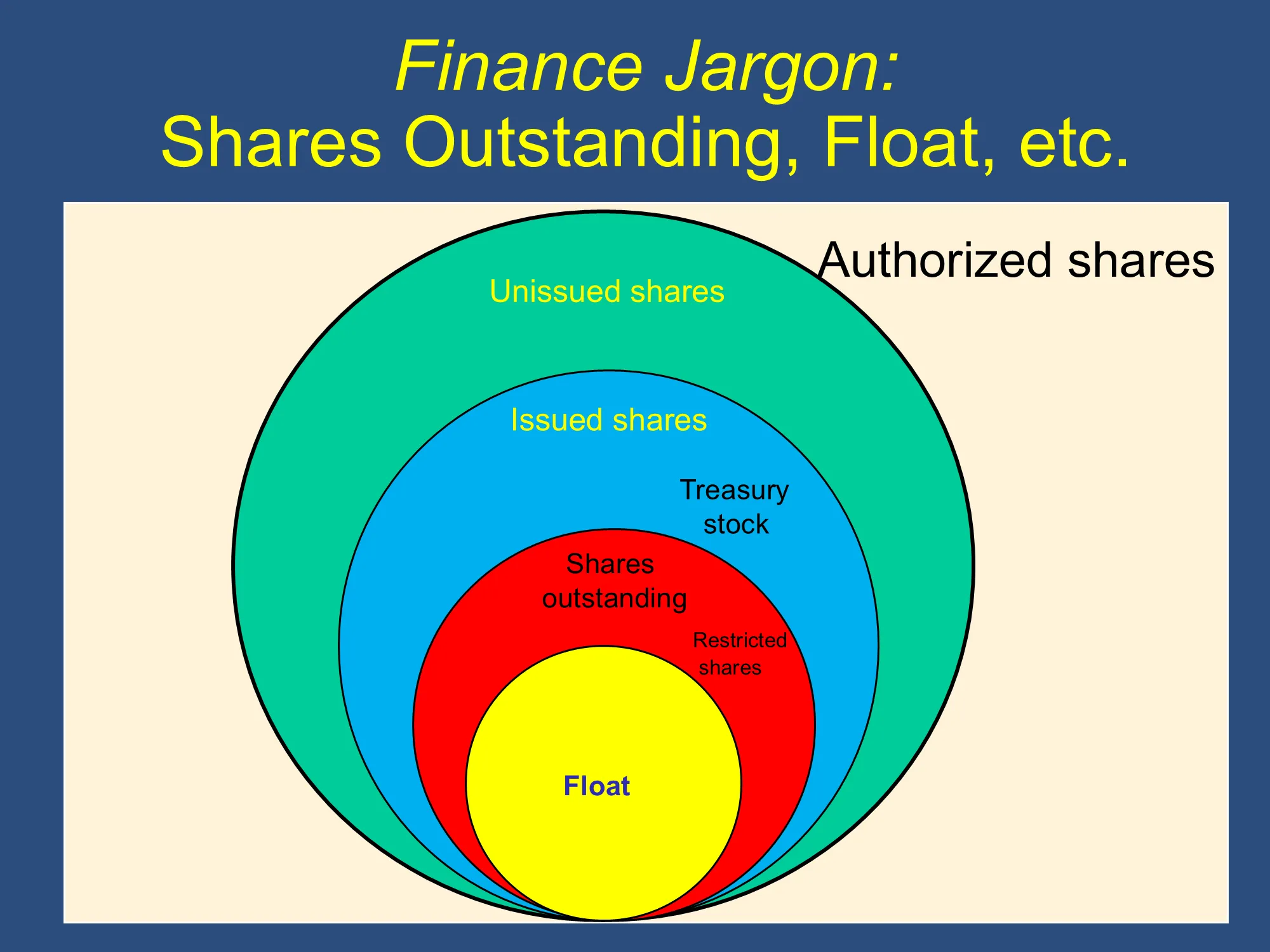
- Finance Jargon: Shares Outstanding, Float, etc.
- Market Cap Categories
- The IPO Process
- The Secondary Market
- Types of Exchanges
Intro to Stocks
Section titled “Intro to Stocks”Are Dividends a Thing of the Past?
Section titled “Are Dividends a Thing of the Past?”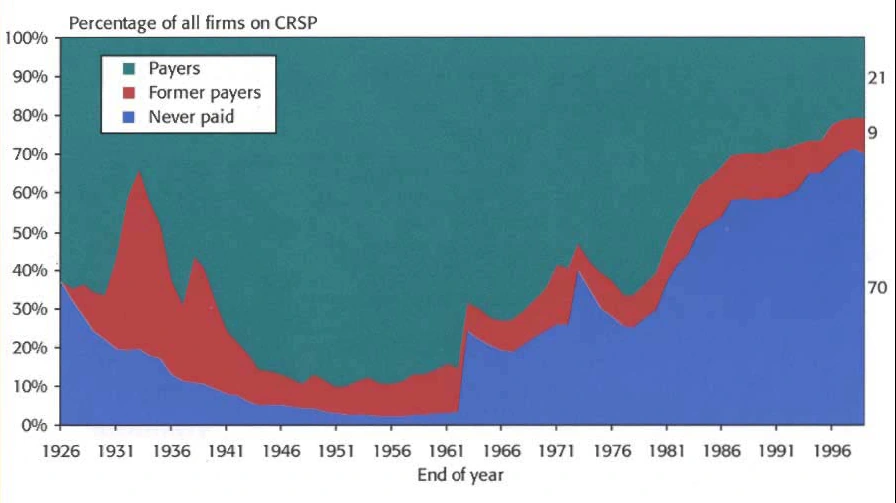
Stocks vs. Bonds
Section titled “Stocks vs. Bonds”| Bonds | Stocks |
|---|---|
| IOU | Ownership share |
| Coupon payment | Dividend |
| Position in event of liquidation | Residual claimant |
Long-term Returns on Stocks vs. Bonds
Section titled “Long-term Returns on Stocks vs. Bonds”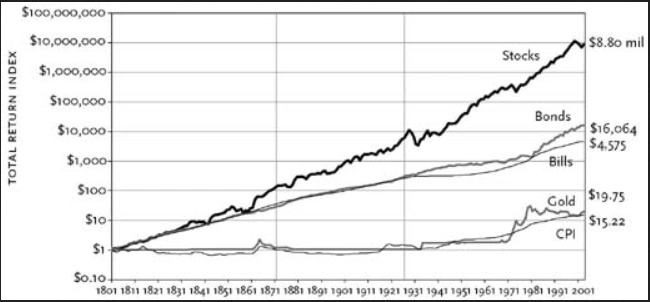
S&P 500 Index Over the Past Five Years
Section titled “S&P 500 Index Over the Past Five Years”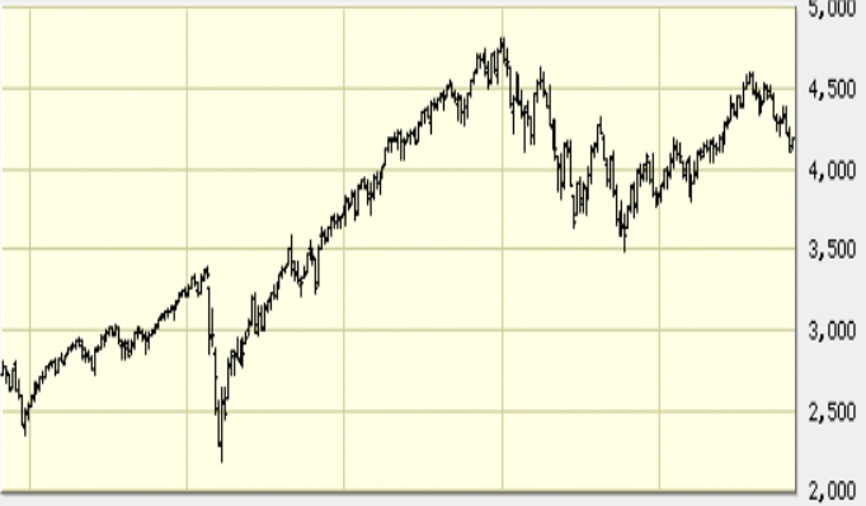
Share Types: Authorized, Outstanding, Float, etc.
Section titled “Share Types: Authorized, Outstanding, Float, etc.”- Authorized shares
Authorized shares = issued shares + unissued shares
Issued shares = shares outstanding + treasury stock
Share Types Example
Section titled “Share Types Example”Before Firm Buys Back 100 Million Shares
Section titled “Before Firm Buys Back 100 Million Shares”Effect of buying back shares
Section titled “Effect of buying back shares”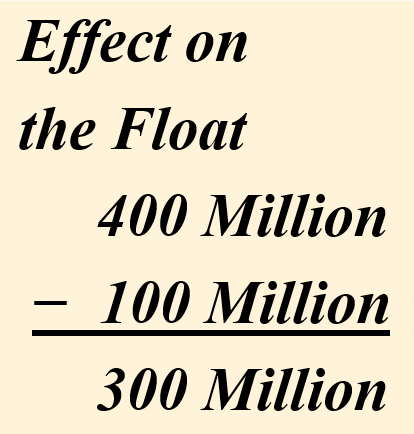 | 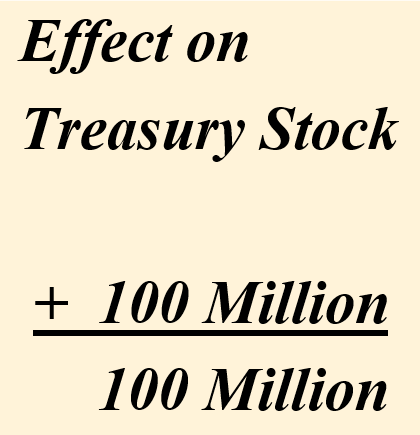 | 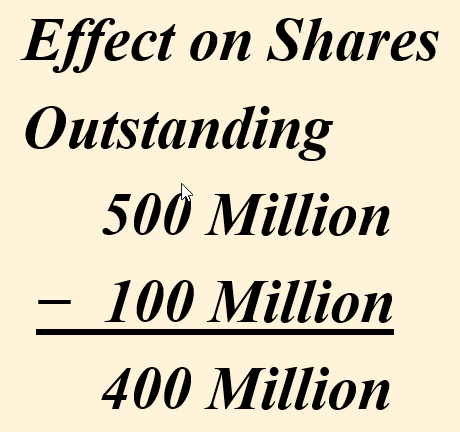 |
After Firm Buys Back 100 Million Shares
Section titled “After Firm Buys Back 100 Million Shares”Market Capitalization
Section titled “Market Capitalization”Example:
- 1 Billion shares outstanding
- Share price = $10
A free list of the largest companies by market cap can be found at companiesmarketcap.com. You can filter by countries or industries that are of interest to you.
Meta (Facebook) Share Statistics
Section titled “Meta (Facebook) Share Statistics”
On 10/31/23
- 9.1 billion Class A and Class B shares authorized
- 2.69 billion shares outstanding
- 45 million restricted shares
- 2.24 billion share float
Market Cap Categories
Section titled “Market Cap Categories”| Mega Cap |
|
| Large Cap |
|
| Mid Cap |
|
| Small Cap |
|
| Micro Cap |
|
Initial Public Offerings (Primary Market)
Section titled “Initial Public Offerings (Primary Market)”Benefits vs. Costs of Going Public
Section titled “Benefits vs. Costs of Going Public”-
Benefits
- Increased access to capital markets
- Founders can “cash in”
-
Costs
- Loss of control (Example: Jobs and Wozniak at Apple)
- Exposure of sensitive information (SOX)
- Investor relations efforts
The Initial Public Offering
Section titled “The Initial Public Offering”- Initial Public Offering (IPO)
- First offering of stock to Public
- Underwriting
- Role of the syndicate
Top Underwriters, 2021 (by value of deals)
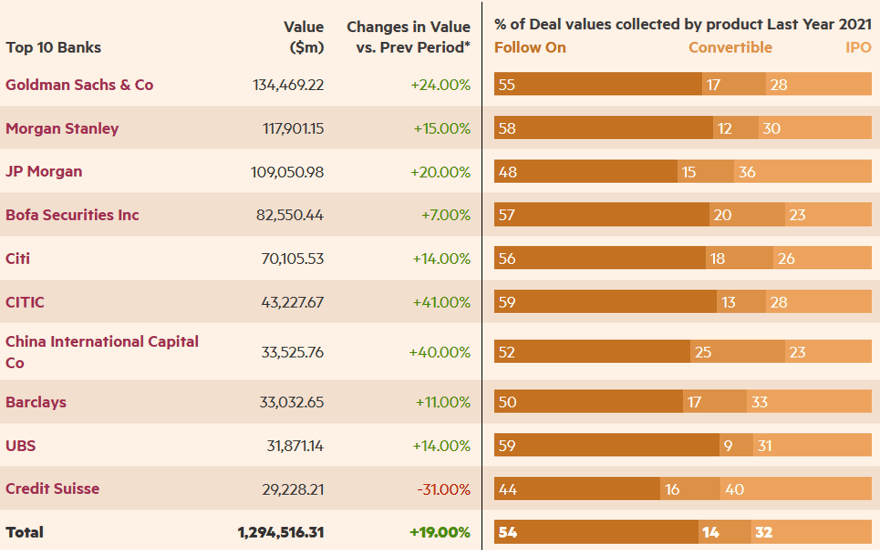
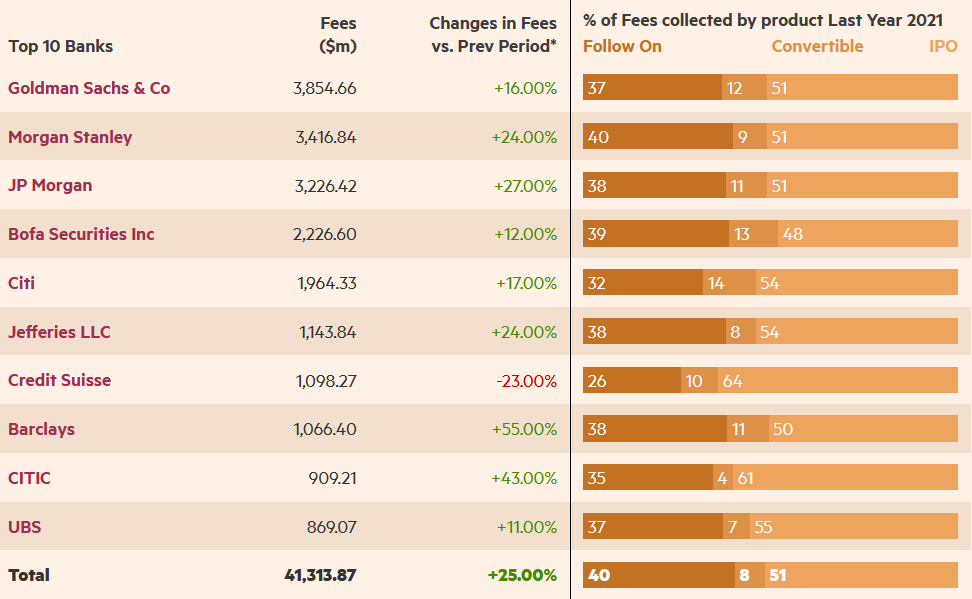
Top Underwriters, 2021 (by Fees Collected)
How Do Firms Choose an Underwriter
Section titled “How Do Firms Choose an Underwriter”- The contract
- The spread
- The Rep
Steps in an IPO: The Role of the Lead Underwriter
Section titled “Steps in an IPO: The Role of the Lead Underwriter”- Valuing the company
- Determining the offering price of shares
- “Building the book” via road shows
- Filing the necessary paperwork
- Filing the prospectus
Types of Underwriting Contracts
Section titled “Types of Underwriting Contracts”- Firm commitment contract: issuance to distribution and sale
- Safest but most expensive for the issuer
- Underwriter’s profit is the “spread”
- Best efforts contract
- All-or-none contract
Costs Involved in an IPO
Section titled “Costs Involved in an IPO”- Legal and administrative costs
- Spread (or underwriting commission)
- Underpricing
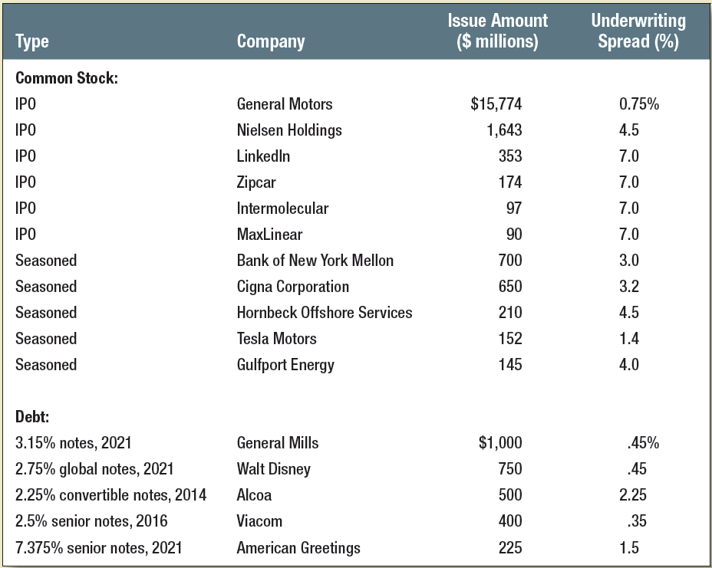
Spreads on Selected Issues
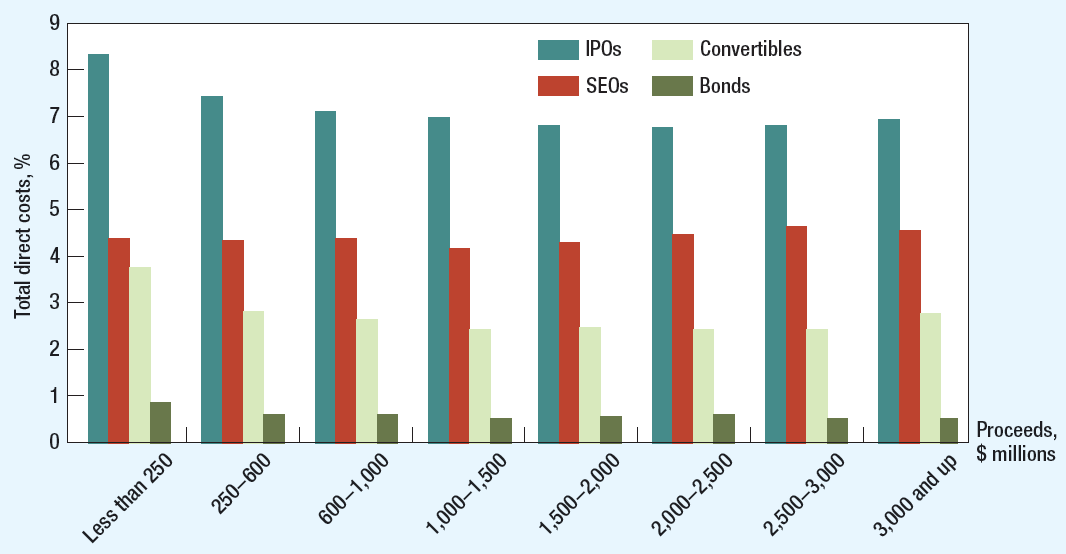
Costs of Raising Capital
Exchanges (Secondary Market)
Section titled “Exchanges (Secondary Market)”Different Types of Markets
Section titled “Different Types of Markets”- Direct search
- Buyers and sellers seek each other
- Brokered markets
- Brokers search out buyers and sellers
- Dealer markets
- Dealers have inventories of assets from which they buy and sell
- Auction markets
- Traders converge at one place to trade
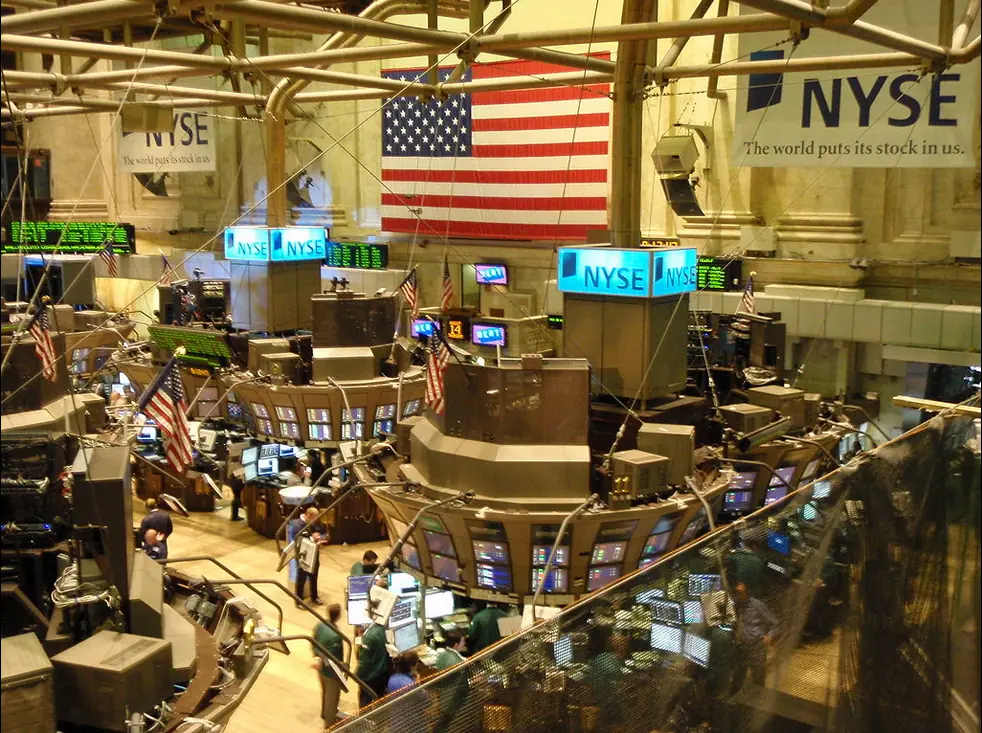
New York Stock Exchange (NYSE)
Section titled “New York Stock Exchange (NYSE)”
- Acquired by Intercontinental Exchange (ICE) in 2013
- Around 2,800 companies listed
- “Open outcry” auction market, which is quickly - evolving into an electronic market
- “Hybrid market”—orders can be handled electronically, - or by floor brokers (as of January 24, 2007) 80%+ of - trades now handled electronically
- Diminished role of specialists
- $24T in total market capitalization
- Avg. daily volume 3.2B shares
- Formerly: 1,366 “seats”, conferring the right to - trade on the exchange
- Now: NYSE sells 1-year licenses to trade on the - exchange
- Lists the largest, most established companies: - ExxonMobil, General Electric, Wal-Mart, Disney
- The largest U.S. stock exchange as measured by the value of the stocks listed on the exchange
- Automatic electronic trading runs side-by-side with traditional broker/specialist system
- SuperDot : Electronic order-routing system
- DirectPlus: Fully automated execution for small orders
- Specialists: Handle large orders and maintain orderly trading
NASDAQ
Section titled “NASDAQ”
Founded in 1971
Electronic exchange
Has always been “screen-based”
3,300 companies listed
$19T in total market capitalization
Avg. daily volume around 2B shares
High tech and innovative firms: Microsoft, Intel, Cisco, JetBlue
- Originally, NASDAQ was primarily a dealer market with a price quotation system
- Today, NASDAQ’s Market Center offers a sophisticated electronic trading platform with automatic trade execution
- Large orders may still be negotiated through brokers and dealers
Types of Exchanges
Section titled “Types of Exchanges”- Physical “Floor” Exchanges
- NYSE
- AMEX
- Electronic Exchanges
- NASDAQ
- London Stock Exchange
- Electronic Communication Networks (ECNs)
- A more automated, efficient kind of electronic exchange
- No market makers
Open Outcry: The Platform for 200 Years
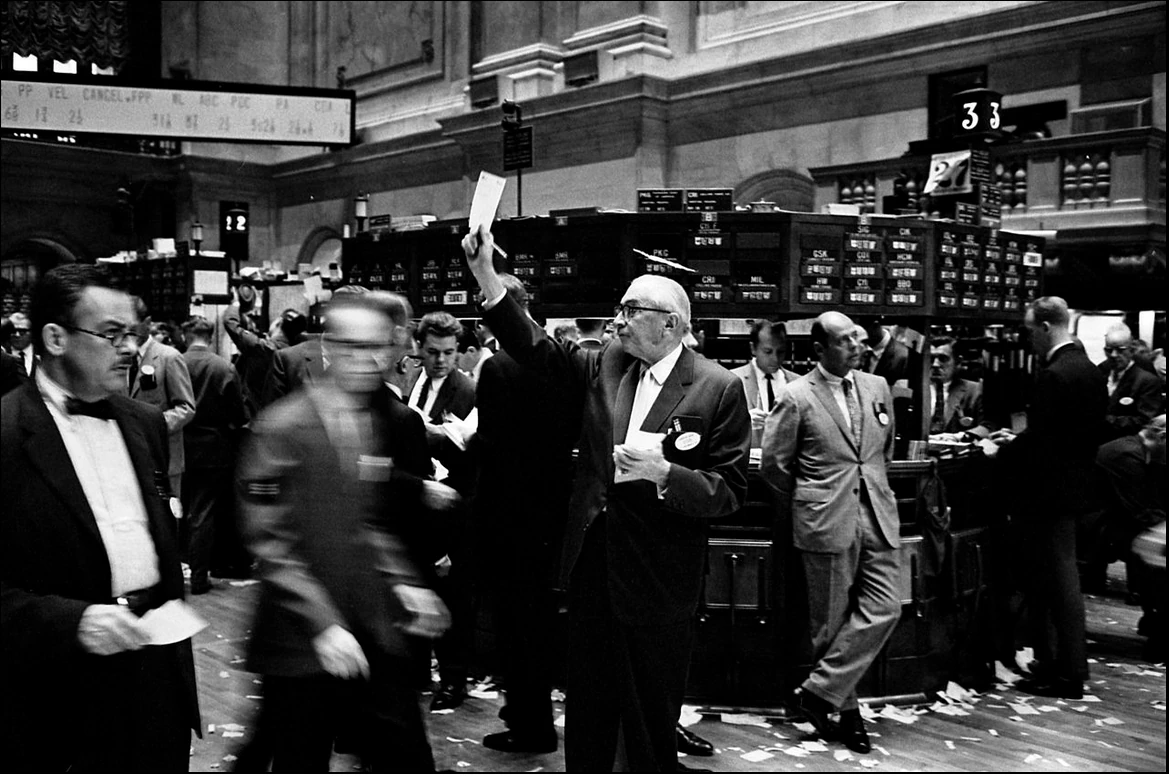
How Long Before It’s a Museum?
The New “Trading Floor”
Section titled “The New “Trading Floor””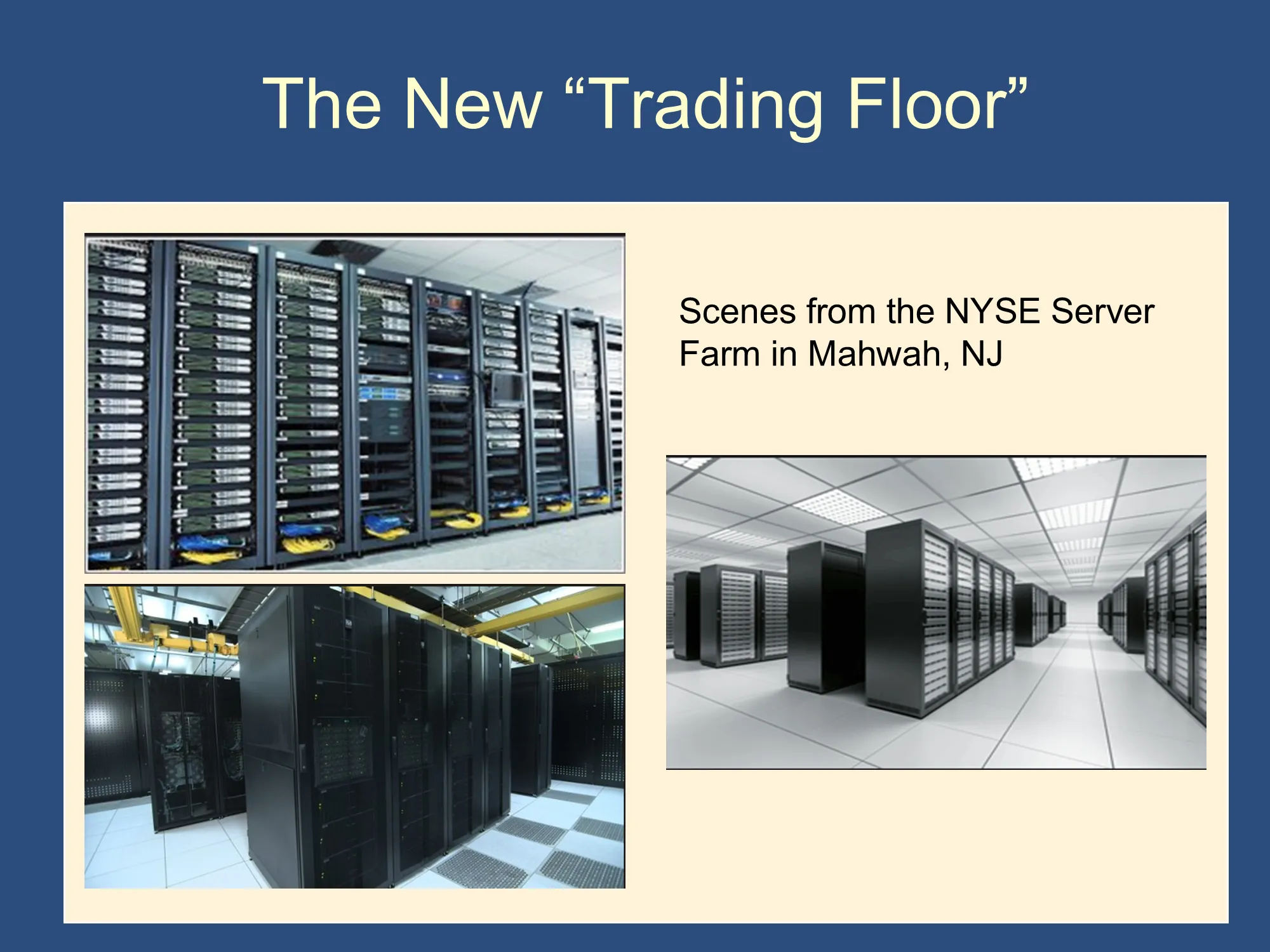
Feedback? Email rob.mgmte2000@gmail.com 📧. Be sure to mention the page you are responding to.